







Search Results for: Kenyan black tea
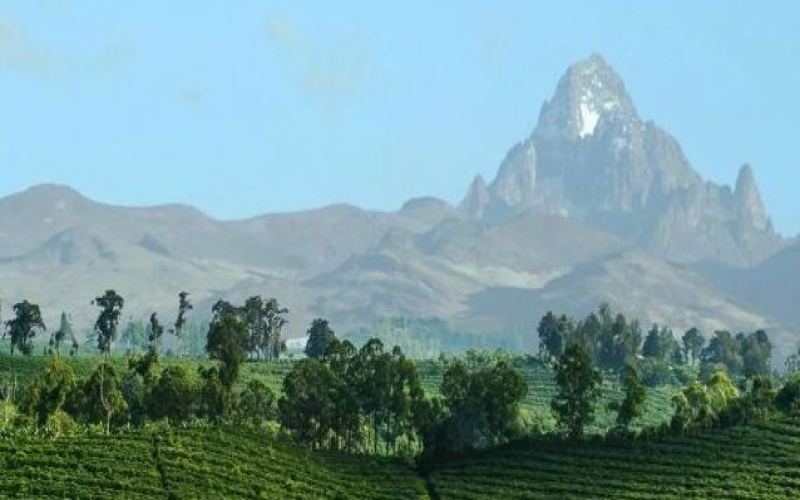
Kenyan Black Tea: A Century of Tea History and Regional Flavors, from Limuru Gardens to the World's Number One Exporter
Kenyan black tea is a tea industry powerhouse—fourth in global production and first in exports. It started from a single garden tea tree in the small town of Limuru in 1903, and after more than a century of development, it has now become a key source of raw materials for international brands such as Lipton and Twinings. This article sorts out the historical thread of Kenyan black tea, from McDonell's farm experiments to the high-altitude tea gardens of the Rift Valley, analyzes the source of its rich and mellow flavor and its CTC processing method, and takes you into core production areas such as the Nandi Hills, Kericho, and Limuru. Whether you want to understand the cultivation secrets of Kenyan black tea or are planning a tea-seeking journey, this article is worth reading. Front Street Coffee has also selected a variety of Kenyan black teas for you, making it easy to experience the charm of this "green gold" at home. [more…]
An Analysis of the Grading Differences Between Kenya Black Tea Grade 1 and Grade 2 and Their Quality Characteristics
Kenya is not only a tourist destination, but also an important black tea producing region globally. Since the introduction of tea cultivation in 1903, Kenya has developed into the world's third-largest tea producer and exporter. Local tea gardens are mainly distributed in the highlands of the East African Rift Valley, with the industry structure composed of large estates and smallholder cooperatives, among which KTDA manages over 60% of the output. Kenyan black tea is primarily processed using the CTC method, producing a strong and bright liquor that is highly favored in the international market. This article will provide a detailed analysis of the grading system for Kenyan black tea, including the specific differences between main grades such as BP1, PF1, D1, PD, F1, and secondary grades, helping coffee and tea enthusiasts gain a comprehensive understanding of the quality characteristics and classification logic of Kenyan black tea. [more…]
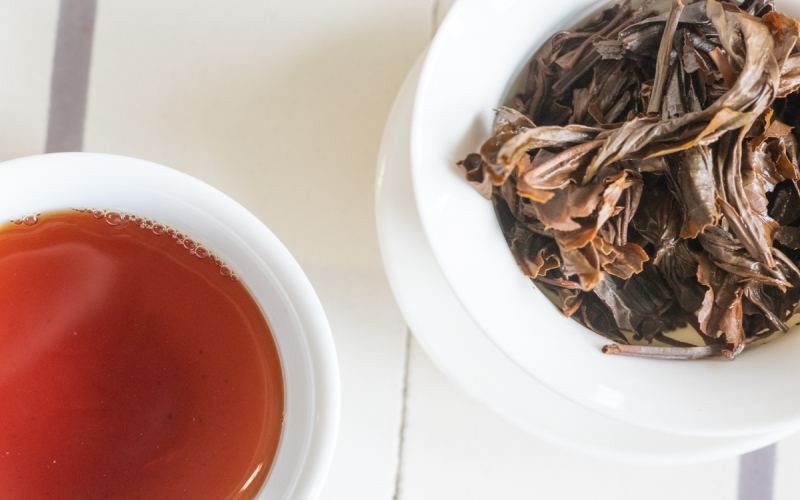
How to Choose a Tea Base for Milk Tea? Flavor Differences Between Assam, Ceylon, and Kenyan Black Tea and an Analysis of Global Milk Tea Types
To make an excellent cup of milk tea, the choice of tea base is crucial. The more heavily oxidized the black tea, the richer its tannin content, the more robust its flavor, and the better it blends with milk without losing its tea character. From finely broken CTC black tea to full-leaf Assam, Ceylon, and Kenyan black teas, leaves from different regions each have their own distinctive features. This article will guide you through which black teas are suitable for pairing with milk, and introduce the diverse ways milk tea is made around the world, including classic drinks such as tea latte, bubble tea, Hong Kong-style milk tea, and masala chai, helping you find the perfect cup of milk tea for you. [more…]
Kenya and Sri Lanka Black Tea Price Trends: Is Basilur Expensive? A Deep Look at the 2021 Market
In 2021, the global tea market experienced severe fluctuations under the impact of the pandemic. Kenya's Mombasa auction saw increased volumes and stable prices, Sri Lanka's Ceylon black tea prices soared due to reduced production, and India debated whether to lower import tariffs because of high domestic prices. The food service channel accounts for 20% of global tea sales, and the pandemic led to the closure of a large number of restaurants, profoundly changing the supply and demand landscape. This article will review auction prices, production changes, and trade policy trends for Kenyan and Sri Lankan black tea, answer whether Basilur black tea is too expensive, a concern for tea lovers, and recommend related selection ideas from Front Street Coffee. [more…]
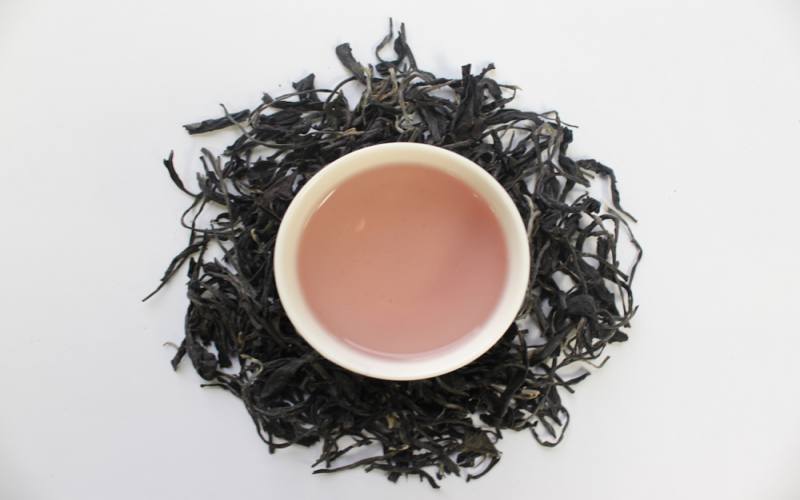
What Type of Tea Is Kenyan Purple Tea? A Full Analysis of Its Origin, Flavor, and Benefits
Purple tea is a special type of tea formed by a genetic mutation in the tea plant, rich in anthocyanins, and combining many of the health properties of both green and black tea. It was first discovered as a small number of wild mutations in China, and was later cultivated on a large scale in Kenya through a public-private partnership, with the main production areas located in the high-altitude regions of the Nandi Hills. Purple tea has an anthocyanin content of 1.5%, higher than blueberries, and its polyphenol and catechin levels also surpass those of most black and green teas; it also contains a unique GHG polyphenol. Its caffeine content is relatively low, its flavor is sweet and forest-like, and after brewing, the liquor is pale with a slight purple tint. Front Street recommends paying attention to this tea, which combines both health value and a story of its production area. [more…]
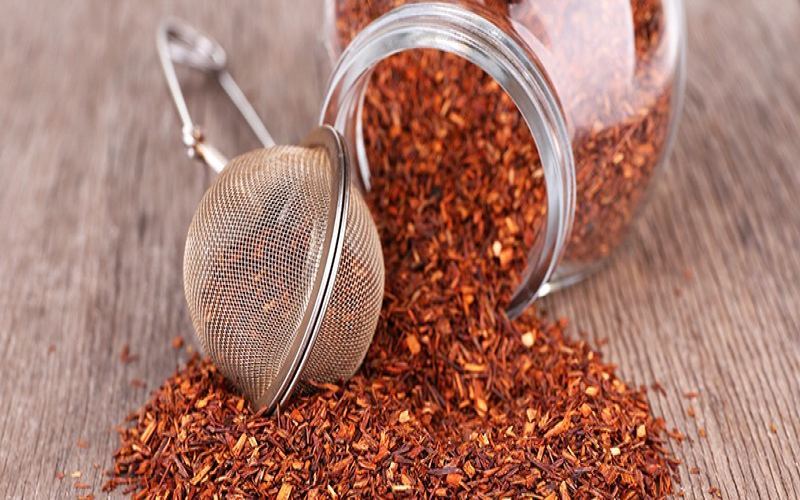
Which country ranks first in tea production in Africa? A detailed look at the flavors and health benefits of nine distinctive African teas
Africa is not only famous for coffee—its tea production is equally noteworthy. Kenya ranks as the world's third-largest tea producer and the leading tea-producing country in Africa. From anthocyanin-rich Kenyan purple tea to South Africa's unique rooibos and honeybush teas, and from North African mint tea to Ethiopian spiced tea, diverse tea traditions have emerged across the continent. This article profiles nine teas produced in Africa, covering their origins, production methods, flavor characteristics, and health benefits, helping coffee lovers expand their understanding of African beverages. Front Street Coffee will also recommend African teas worth trying. [more…]
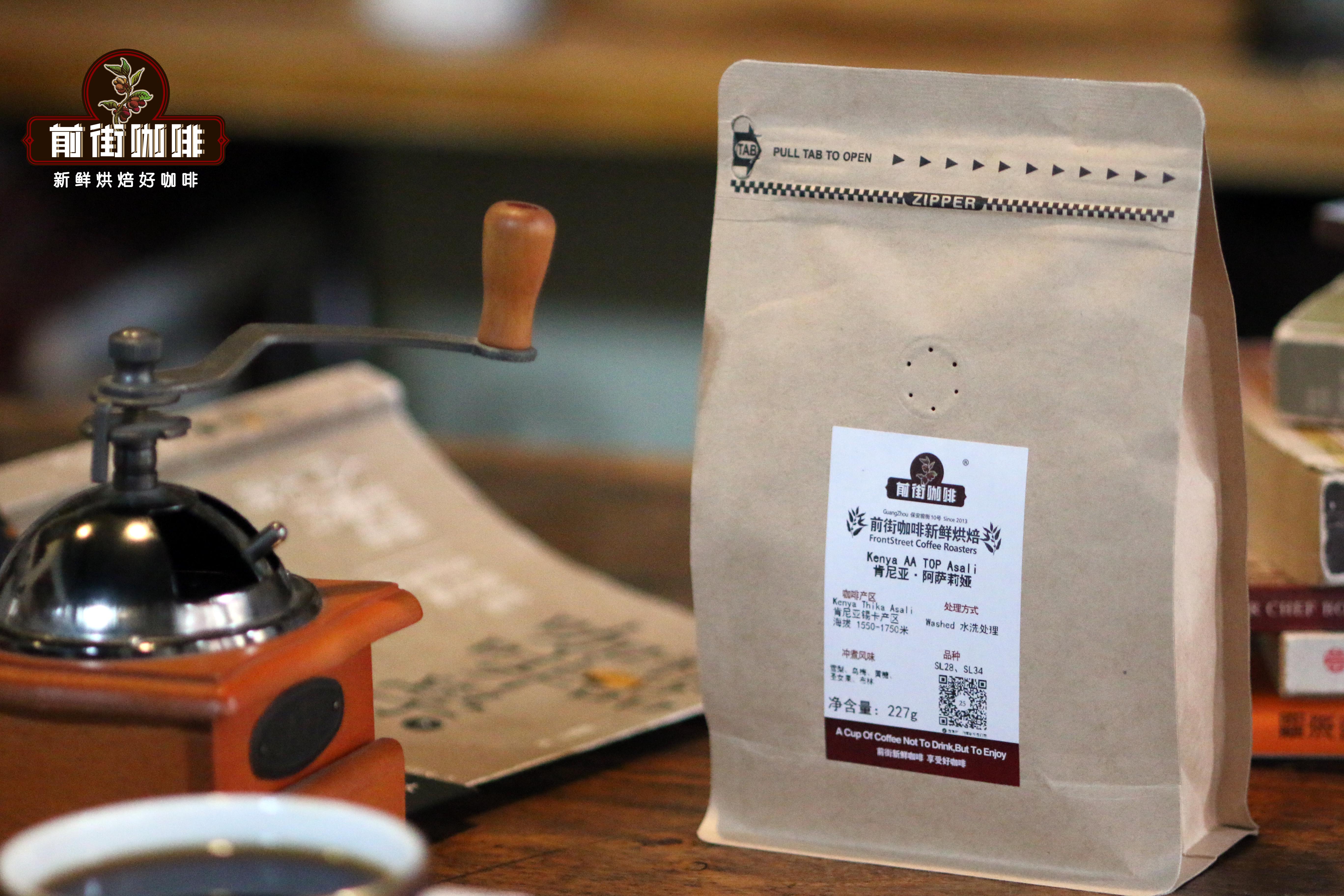
Kenya AA Coffee Beans Explained: Thika Region Flavors, K72 Washed Processing, and Pour-Over Parameter Guide
Kenyan AA coffee beans, with their plump beans and bright acidity, have long been a favored African representative in the specialty coffee world. Starting from Front Street's Kenya Asalia coffee beans, this article systematically reviews the growing background of the Thika region, the K72 Kenyan-style double fermentation washed process, and the flavor performance of the two main varieties, SL28 and SL34. It also shares in detail Front Street's brewing approach for light-roast Kenyan AA, including the choice of V60 dripper, 92°C water temperature, 1:15 coffee-to-water ratio, and three-pour technique, helping coffee lovers recreate at home the classic Kenyan flavor interwoven with black plum, smoked plum, and black tea aftertaste. [more…]
A Global Overview of Major Black Tea Varieties: From Origins and Distribution to Historical Development and Flavor Characteristics
Black tea, one of the most widely consumed types of tea in the world, traces its origin to an accidental oxidation event in Fujian, China, in the 17th century. Thereafter, thanks to its ease of storage, transportability, and the way its flavor improves over time, black tea was quickly spread by British and Dutch merchants to India, Sri Lanka, Africa, and beyond, gradually moving from an aristocrats' exclusive to an everyday staple for the masses. This article systematically outlines the historical development and main producing regions of black tea, introduces representative varieties such as Assam, Darjeeling, Ceylon, Kenyan, and English Breakfast one by one, and also explains black tea's health benefits in areas such as antioxidation, anti-inflammation, and promoting digestion, while offering tea-selection suggestions for different drinking occasions. [more…]
The Fruit Acidity Code of Kenyan Coffee: A Full Breakdown of Regional Terroir, SL Varieties, and K72 Washed Processing
Kenyan coffee is world-renowned for its intense fruity acidity, full body, and flavors reminiscent of dark plum and black plum. Front Street Kenya coffee opens with notes of dark plum and cherry tomato, features a prominent sweetness in the mid-palate, and finishes with berry aromas and yellow sugar sweetness, accompanied by a hint of tea. This country, neighboring Ethiopia, started coffee commercialization relatively late, yet thanks to its unique terroir, SL28 and SL34 varieties, and the K72 washed processing method, it has become a major representative of the world's specialty coffee. This article, from Front Street's perspective, will outline Kenya's coffee cultivation overview, main producing regions, variety characteristics, and the causes of its flavors, along with Front Street's brewing recommendations, to give you a comprehensive understanding of the source of this African gem's fruity acidity. [more…]
Kenya AA Coffee Bean Grading Standards Explained: A Full Analysis of Thika Region Flavor, K72 Washing, and SL28/SL34 Varieties
Kenya AA is the highest grade in Kenya's coffee classification system, renowned for its plump beans and bright flavor. Starting from the grading logic of Kenyan green beans, this article provides an in-depth analysis of the cultivation history and terroir characteristics of the Thika producing region, explains how the classic Kenyan-style 72-hour double fermentation washed process (K72) operates, and focuses on the two varieties, SL28 and SL34, which account for ninety percent of Kenya's high-quality coffee production. The article also combines Front Street Coffee's Front Street Kenya Asalia coffee beans to recreate its light roast approach and V60 three-pour brewing parameters, presenting the typical Kenyan flavor profile of black plum, smoked plum, apricot, and black tea aftertaste. [more…]
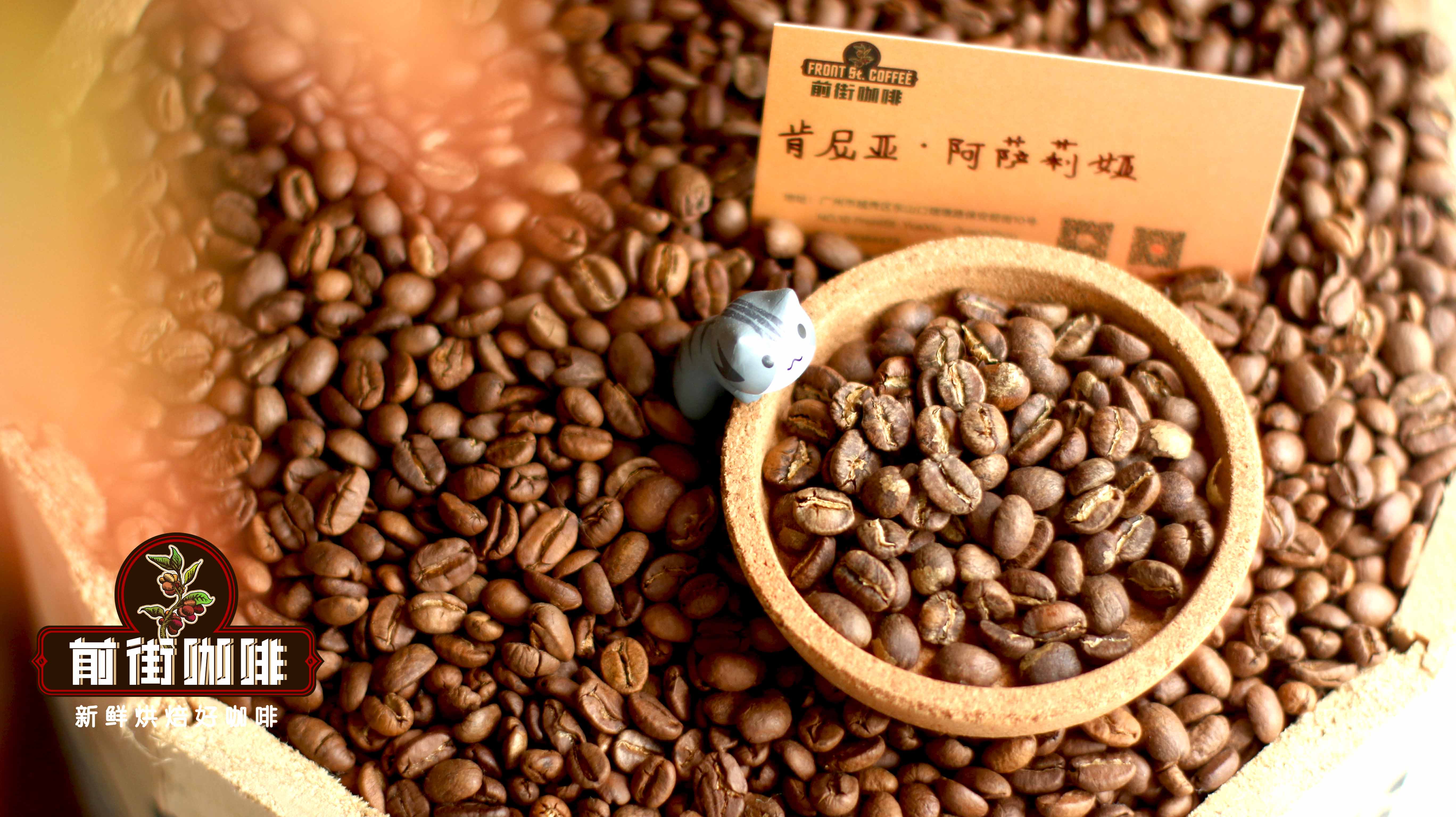
Complete Guide to Kenyan Coffee Beans: A Flavor Guide to Ten Washed Coffees and Pour-Over Parameters Explained
Kenyan coffee is renowned worldwide for its bright fruit acidity, full-bodied berry notes, and distinctive smoked plum flavor. This article systematically reviews the origins, altitudes, grades, and flavor profiles of ten Kenyan washed coffee beans, offers an in-depth interpretation of the K72 washing process and the origins and performance of the SL28 and SL34 varieties, and provides a detailed introduction to the brewing method for Front Street Coffee's Kenyan Cherry Tomato coffee beans, including practical content such as V60 dripper selection and three-stage extraction parameters, offering coffee enthusiasts a complete reference for Kenyan coffee tasting and brewing. [more…]
A Global Flavor Guide to Black Tea Regions: Assam vs. Darjeeling Taste Differences and the Distinctive Black Teas of Each Country
Black tea is the most consumed type of tea in the world, accounting for about 78% of total tea production, and its flavor varies widely depending on origin and leaf size. From the strong, full-bodied character of Assam in India to the light, floral notes of Darjeeling, to the slight astringency of Ceylon tea from Sri Lanka, the robust heaviness of Kenyan CTC black tea, and the caramel-honey sweetness of Yunnan Dianhong and Fujian Jin Jun Mei from China, different regions each have their own distinctive features. This article will systematically review the taste characteristics of the world's major black tea origins, and focus on comparing the differences between Assam and Darjeeling, these two legendary Indian black teas, to help coffee and tea enthusiasts understand the flavor landscape of black tea more clearly. [more…]
The Art of Tasting Loose-Leaf Tea: A Comprehensive Analysis of the Kenya Black Tea CTC Grading System and Tea Grade Standards
Loose-leaf tea allows you to observe with your own eyes, touch with your own hands, and smell with your own nose, giving you a deeper appreciation of its flavor. Put in a little effort to get to know your tea, and you'll find it takes on more character and charm, enriching your experience of this fascinating culture. This article begins with the basic standards of tea grading, then outlines the grading system and naming conventions for whole-leaf black tea, before focusing on Kenyan CTC black tea and introducing its production process and the grading system based on particle size. Whether you're a newcomer to tea or an enthusiast looking to better understand the logic behind black tea grading, you'll come away with a clear understanding. [more…]
Kenyan K72 Washed Coffee Bean Flavor Analysis and Pour-Over Brewing Guide
Kenyan coffee, with its vivid fruit-toned character and richly layered flavor, has long been regarded as a representative of African specialty beans. Starting from the varietal characteristics of Kenya AA, this article outlines its typical flavors of citrus, blackberry, and grapefruit, compares the differences in cultivation with Brazilian coffee, and focuses on the K72 washed processing method and key points of pour-over extraction, helping enthusiasts better understand the unique charm of this bean. The article also compiles Front Street Coffee's roasting and brewing recommendations for Kenyan beans for everyday reference. [more…]
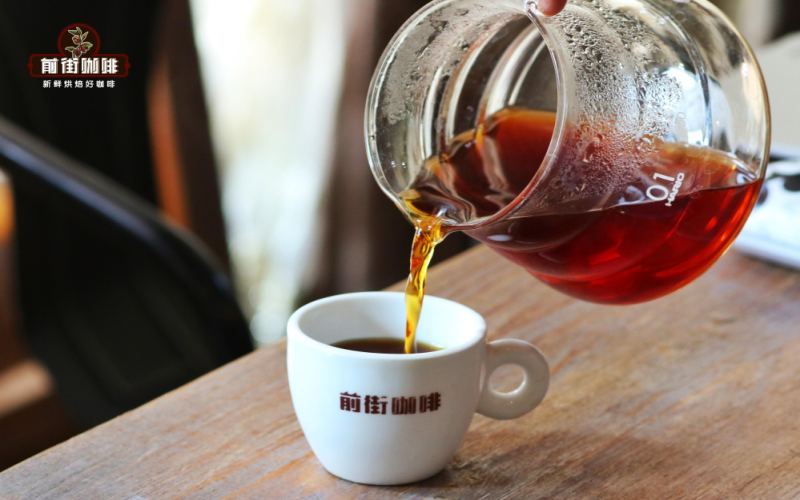
Kenya AA Washed Coffee Bean Grade Classification and Pour-Over Flavor Analysis: From the K72 Processing Method to Brewing Parameters in Detail
Kenya AA is a star grade among African specialty coffees, renowned for its vivid flavors of cherry tomato and dark berries, juicy acidity, and multi-layered mouthfeel. This article will begin with Kenya's coffee grading standards, the terroir conditions of its producing regions, and the signature K72 double washed processing method, systematically analyzing the characteristics of AA-grade coffee beans. Using a specific Front Street Kenya Asaliya coffee bean as an example, it will share pour-over parameters and extraction techniques for light-roasted Kenyan beans, helping coffee enthusiasts fully understand the flavor logic of Kenyan washed AA from green bean to cup. [more…]
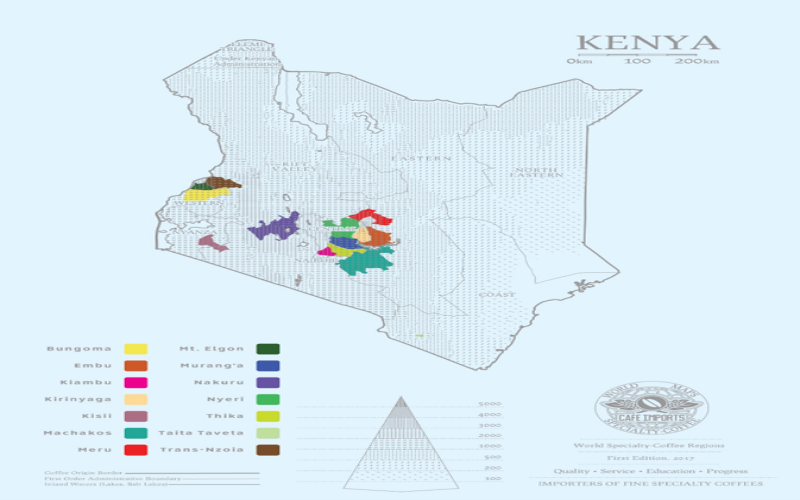
A Complete Guide to Kenyan Coffee Varieties: Flavor Profiles and Pour-Over Parameters for SL28, SL34, Ruiru11, and Batian
Although Kenya and Ethiopia are both in Africa and not far apart, their coffee flavor profiles are completely different—the former is known for its sweet-and-sour notes reminiscent of dark plums, cherry tomatoes, and caramel. This uniqueness stems both from the volcanic soil at altitudes of 1,600 to 2,100 meters from the capital Nairobi to the Kenyan highlands, and from the contribution of classic varieties such as SL28 and SL34. This article will trace the evolution of Kenyan coffee varieties: from the Bourbon variety introduced by French missionaries, to the selection of SL28 and SL34 by the Scott Laboratories, to Ruiru11 developed in response to pests and diseases, and Batian, which was released in 2010. It also includes brewing suggestions and flavor descriptions for Front Street Coffee Kenya·Asalia, for the reference of coffee enthusiasts. [more…]
Kenya AA TOP Coffee Origin and Honey Processing Factory Analysis: K72 Washed Flavor and Front Street Brewing Parameters
Kenya AA TOP is a benchmark grade among African specialty coffees, and its bright acidity and dark berry flavors are highly sought after by enthusiasts. This article systematically sorts out the reasons behind the flavor of Kenyan coffee, from the producing region's background, grading standards, and the K72 washed processing method to information on the Honey Processing Factory, and combines Front Street Coffee's roasting and brewing practices to provide the complete pour-over parameters and tasting notes for Front Street Asalia coffee beans. Whether you want to understand the grading logic of Kenya AA TOP or want to replicate a cup of light-roasted Kenya with a cherry tomato flavor, this content can provide practical reference. [more…]
Do Kenyan sun-dried coffee beans exist? A full analysis of the sun-dried batches from Andabes Estate: flavor and brewing
When people think of Kenyan coffee, most picture the iconic washed process and bright fruity acidity. But does Kenya also have natural-process lots? The natural micro-lot from Andabes Estate released by Front Street Coffee breaks that stereotype. This article covers the growing region's background, the estate's history, the characteristics of the SL28 and SL34 varieties, the details of the natural process, and Front Street's roast profile, cupping performance, and brewing recommendations, offering a complete picture of this natural Kenyan's flavor and reintroducing you to the diversity of Kenyan coffee. [more…]
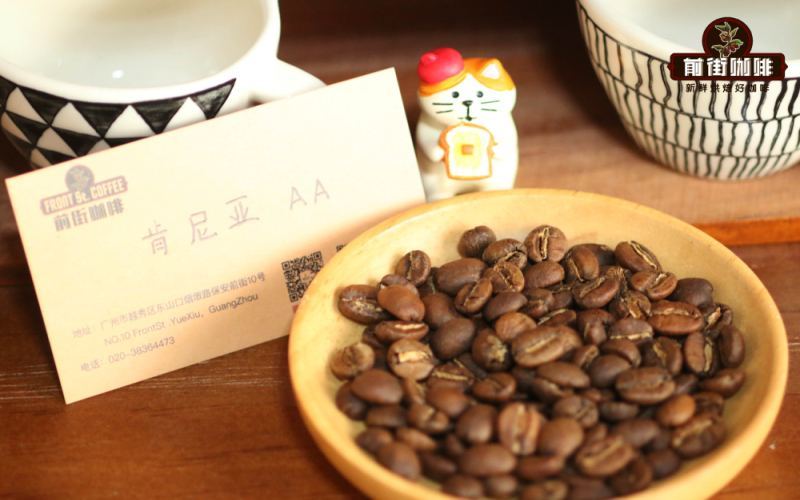
A Comprehensive Analysis of the Diverse Brewing Methods and Pour-Over Flavor Characteristics of Kenyan Coffee Beans
Kenyan coffee, with its bright and full-bodied juicy character and deep berry-like sweetness and acidity, has become a favorite among many who love acidic coffee. The Kenyan coffee beans launched by Front Street Coffee come from the Thika region, use SL28 and SL34 varieties, and are processed using the Kenyan-style 72-hour washed method, presenting dark fruit notes such as black plum and dark plum. This bean is not only suitable for pour-over, but also works well with cold brew, moka pot, French press, and even coffee machines and other extraction methods. This article will unfold one by one around the variety background, origin terroir, K72 processing technique, green bean grading, and the specific operating details and flavor performance of pour-over and moka pot for Front Street Coffee's Kenyan coffee, helping coffee lovers more comprehensively understand the charm of this bean. [more…]
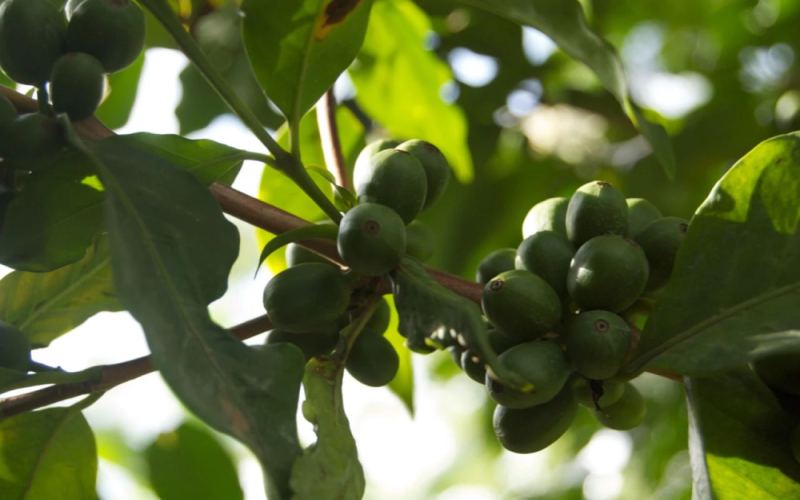
A Complete Guide to Kenyan Coffee: Flavor Secrets from Producing Regions and Varieties to K72 Washed Processing
Although Kenya borders Ethiopia, the birthplace of coffee, commercial cultivation there did not begin until the early 20th century, yet within just a few decades it rose to become a major benchmark for specialty coffee worldwide. This article will guide you systematically through Kenya's coffee-growing conditions, its six core production regions, the flavor differences between the representative varieties SL28 and SL34, and the K72 washed processing method that gives its coffee bright acidity and a full, juicy body. At the same time, Front Street Coffee will share its own brewing parameters and three-pour extraction recipe for Kenyan Asalia coffee beans, helping you brew the classic Kenyan flavor profile where smoked plum, black plum, and yellow sugar intertwine. [more…]